In this Spotlight, we sit down with Stuart Mizen, Executive Director of SVN Capital Asia, who recently relocated from Dubai to Malaysia to lead our expansion into one of the world’s fastest-growing regions. With nearly two decades of experience in wealth advisory and a strong passion for alternative investments, Stuart shares his perspective on life in Malaysia, the evolving investor mindset in Asia, and why the region is such an exciting hub for both clients and advisors.
After 18 years in Dubai’s fast-paced investment scene, Southeast Asia felt like the natural next step in my career. The region is bursting with opportunity, diversity, and cultural depth. Malaysia, in particular, has a rare balance that’s hard to beat. On one hand, you have world-class business infrastructure and a thriving expat community. On the other hand, you get a lifestyle that’s rich, relaxed, and rewarding.
It’s the kind of place where you can spend the morning in a high-level client meeting, enjoy the evening watching the sunset from a beach or rooftop bar, and then be off exploring the wonders of Asia by the weekend. That blend of business energy and lifestyle is what makes Malaysia so compelling… not to mention how beautifully green it is.
Malaysia is a masterclass in flavour. You can sit down to a Michelin-starred meal one night, then be just as blown away by satay from a street stall in Kuala Lumpur (KL) the next. Penang’s Nyonya cuisine is another experience in itself.
The culture is just as vibrant. A walk through the backstreets of Chinatown in KL, a visit to Malacca’s temples, or even just wandering George Town and spotting the street art. It shows you how much history and creativity are packed into this country.
And of course, nature is everywhere you look. Whether it’s the tea plantations in the Cameron Highlands, the rainforests in Borneo, or the beaches in Langkawi, the landscapes are incredible.
One last thing I always tell people, don’t leave without experiencing a night market. That’s where you really feel the energy, the culture, and the community all at once.
I’d say it’s cosmopolitan without the chaos. There’s a sense of discreet luxury here that’s very appealing. You have world-class residences, Michelin-starred dining, private islands within easy reach, and all of it comes with a cost of living that feels surprisingly low compared to other hubs. Add in a tax environment that can work in your favour, and it becomes a very attractive place to base yourself.
For collectors and investors, what makes Malaysia stand out is the way lifestyle and investment opportunities overlap. It’s a place where you can enjoy the best of life while also building and protecting wealth.
It’s a fascinating blend of heritage and momentum. You still see traditional batik and woodcarving everywhere, but at the same time, the contemporary art scene is starting to make waves internationally.
What’s interesting is how collectors are approaching it. Art here is no longer seen as just décor. It’s being recognised as an asset class with a story. Collectors are becoming more discerning, focusing on quality and lasting value rather than sheer volume. Blue-chip works and pieces with strong provenance are what people are prioritising.
Alongside this, there’s also a growing whisky culture. From Malaysia’s first whisky festival, ‘Whiskylah’, to boutique bars and even emerging regional distilleries, it’s all gaining momentum. And in many ways, it shares the same appeal as art — rarity, craftsmanship, and a sense of cultural legacy.
In the Middle East, investors tend to favour more centralised holdings, with a strong focus on legacy and wealth preservation. In Asia, the mindset feels different. There’s a real openness to diversifying beyond traditional strategies and exploring alternatives.
At SVN Capital, we often talk about passion investing, and that really resonates here. Investors are drawn to high-performing tangible assets because they offer more than just returns. They carry cultural relevance, a sense of exclusivity, and long-term value, which makes them especially compelling in this market.
Beyond the traditional property play, there’s growing momentum around contemporary art, whisky, watches, classic cars, and private equity. These assets are tangible, globally tradable, and come with a prestige factor that really resonates with investors in Asia.
What makes them stand out is the balance between performance and passion. With contemporary art, classic cars, or even a rare watch, you’re not just holding an asset…you’re holding a piece of history. That emotional connection, combined with strong long-term value, is what makes them such a natural fit.
Right now we’re in a unique window. Wealth across Asia is growing rapidly, but the market for alternative assets is still underdeveloped. That creates a huge opportunity.
SVN Capital Asia is in the perfect position to meet that demand, bringing world-class alternative investments to a market that’s hungry for diversification but also looking for credibility and access. It’s rare to see such a clear alignment between investor appetite, asset availability, and growth potential. That’s what makes this moment so exciting.
Malaysia is a central hub. It’s strategically located, politically stable, and gives you access to some of the fastest-growing economies in Asia. That combination is attracting both talent and wealth from across the region.
What makes it even more exciting for professionals is the range of opportunities. It goes far beyond traditional wealth management. You get to work across asset classes that are commercially powerful but also personally engaging.
And honestly, there’s something very rewarding about promoting investments that are exciting in themselves. Talking to a client about a blue-chip artwork, a rare whisky cask, or a fine wine collection feels different from selling standard retail products. There’s passion behind it, and that adds to the job satisfaction in a big way.
Dubai is fast. It’s 200 miles an hour, very transactional, and built around instant gratification. Malaysia feels different. It’s just as ambitious, but the pace is more laid back and the culture is absolutely relationship-driven.
Here, trust is something you build over time, and that makes it a perfect environment for alternative investments. Whether it’s guiding a client through their first fractional ownership of an Andy Warhol or helping them understand the role of private equity in their portfolio, those deeper relationships make all the difference.
Do it. Jump in 100%. But come prepared. It might sound obvious, but it’s not. Just like moving to the UAE, success here depends on adaptability and cultural awareness.
Malaysia is still a Muslim country, and people sometimes forget that. Understanding and respecting the local culture goes a long way. You also need to be ready to build your network from the ground up.
If you can bring genuine value to clients and navigate the nuances of doing business here, the rewards are immense…both professionally and personally.
If you’re on the fence, my advice is simple – come and experience it for yourself. Many people will head to Thailand, Bali, or Vietnam for a holiday. Why not add a few extra days and spend them in Kuala Lumpur? Don’t just look at the luxury side, get out and see the real KL. Wander through Chinatown, discover the bars, take in the culture, and meet the people. You’ll find Malaysians to be incredibly warm and welcoming, even more so than many expect.
What makes KL unique is its mix of city and nature. It’s a cosmopolitan hub dropped right in the middle of the jungle. You can drive just 30 minutes and find yourself in the middle of the rainforest, or even be out on the golf course with monkeys running across the fairways, stealing bottles of water from the carts. It’s a lifestyle that combines energy with greenery.
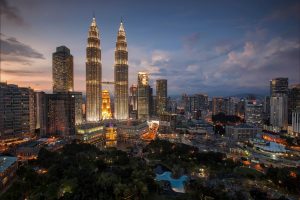
The practical side is just as appealing. The cost of living is much lower than in Dubai, yet the quality of life is outstanding. I live in the city centre, just a short walk from the Petronas Towers, in a spacious two-bedroom apartment, all for less than I paid in Dubai. From here, you’ve also got easy access to the rest of Asia. Singapore is just over an hour away, while Bangkok and Ho Chi Minh are two hours, and Bali three.The connectivity is fantastic.
So my advice is to come and see it. Spend a few days, talk to people in your industry, connect with professionals on LinkedIn, and really get a feel for the culture. If you’re serious about making a move, the rewards in terms of lifestyle and career can be immense.
I’d be happy to connect on LinkedIn if anyone reading this would like to learn more about opportunities with SVN Capital in Asia. And if you’re visiting Malaysia, I’m always open to meeting for a coffee, it’s the best way to experience the culture first-hand.
If you’d like to learn more about SVN Capital Asia or have any questions, please don’t hesitate to get in touch or connect with Stuart directly via LinkedIn.